
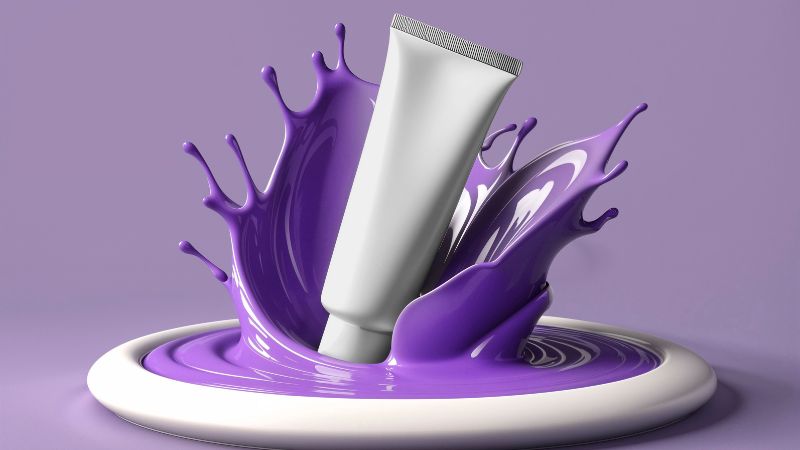
23 Dec What Is Advertising Photography? Complete Beginner’s Guide
Advertising photography is the art of creating visually compelling images to promote products, services, or brands. From vibrant lifestyle campaigns to high-impact billboard visuals, advertising photography plays a crucial role in shaping consumer perception and driving purchase decisions.
With the right composition, lighting, and creative concept, a single image can capture attention, communicate a brand’s identity, and inspire action. In this article, we’ll explore:
- The definition of advertising photography
- Different types of advertising photography
- Difference between commercial photography & advertising photography
- What is the use of advertising photography
- Post-production importance to advertising photography
- Key factors behind successful advertising photography
Let’s get started!
What Is Advertising Photography?
Advertising photography is all about marketing a product whose main purpose is to promote, influence, and entice customers to take action (like buying a product, visiting a website, or recognizing a brand). It is a sub-genre of commercial photography.
However, advertising photos go beyond simple product shots, blending artistic composition, lighting, and storytelling to evoke emotions, share a message, and build desire. These product visuals are effective for billboards, magazines, social media, print, and other digital platforms.
For example, Gucci Flora Gorgeous Gardenia’s recent campaigns highlight bright, colorful, and whimsical singer photos with floral motifs to convey “kawaii cuteness.”
In short,
- Advertising photographers combine technical skills (i.e., precise lighting & sharp focus) with consumer psychology to make items more appealing & essential.
- Advertising photos often feature models in real lifestyle scenes, luxurious settings, or conceptual narratives to showcase products’ benefits over mere features.
- Some common product advertising photography shots include close-ups, lifestyle images, environmental portraits, and so on.
What are the Types of Advertising Photography?
There are different types of advertising photography, but all types’ key goal: promote, persuade, and influence audiences through visuals and help to take action instantly. Some popular types of advertising photography are as follows:
Product Photography

Product photography is one of the common types of advertising photography whose main goal is to advertise a product in a way that makes people want to buy it instantly. Unlike basic product photography, these images are creative, emotional, and persuasive. Expert product advertising photographers highlight the product’s benefits and features, and show how it helps consumers in their daily lives.
However, some of the product advertising photography includes:
- E-commerce photography – these photos are effective in promotional areas, not as the main product listing images. For example, “New Arrival” or “Best Seller” sections, collection or category banners, and so on.
- Social media photography – creates emotional impact, attracts buyers, and helps to take action. Effective social media platforms are Facebook & Instagram ads, sponsored posts, carousel & story ads.
- Lifestyle photography – helps people visualize how a product looks in real life, giving a physical store experience.
Fashion Photography

Another popular type is fashion advertising photography; it’s more than just showing a product; it’s about selling a lifestyle, feeling, or brand concept. For these visuals, fashion photographers feature models wearing specific outfits, accessories, or beauty items, often in a theme or elaborate settings. Sometimes, they also utilize commercial art forms to create an aspirational mood, telling a story, and showcasing craftsmanship.
Some popular fashion products include:
- Clothing photography – it defines style, season, and identity for branding, such as a model wearing a winter coat in a city street to promote warmth, style, and confidence.
- Jewelry photography – it symbolizes status, emotion, and luxury, like a close-up of a ring on a model’s hand under soft lighting to show craftsmanship.
- Beauty photography – these visuals support fashion looks and enhance the overall style image.
- Footwear photography – highlights comfort, performance, and lifestyle, as Nike’s athletic sneakers are photographed in motion to show energy and performance.
- Fashion accessories photography – it showcases complete outfits and often drives impulse purchases.
- Eyewear photography – these visuals combine fashion and function, like a model wearing sunglasses outdoors to suggest confidence and cool style.
Food Photography
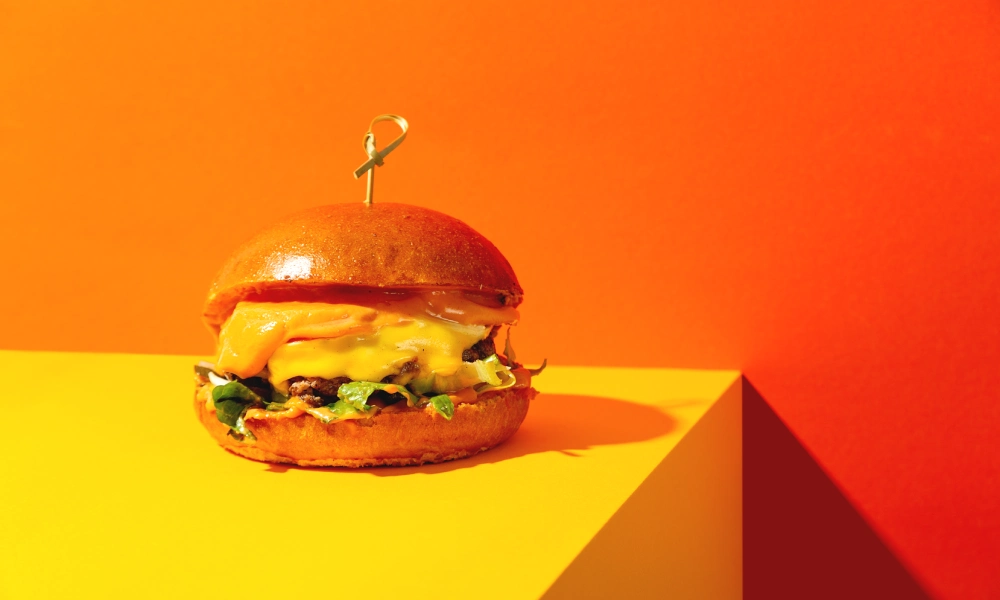
Food advertising photography focuses on creating visually appealing, mouth-watering images of food and drink for marketing, packaging, menus, and social media. Expert food photographers employ various styling techniques, such as adding shine to fruit and making cereal appear crunchy, to achieve the perfect shot.
Popular types of food advertising photography include:
- Product-based food photography – shows exactly what customers are buying.
- Restaurant & menu food photography – it drives ordering decisions.
- Flat lay food photography – portray a story around a dish, styling with core ingredients.
- Beverage advertising photography – highlights refreshment appeal to entice buyers.
Portrait Photography
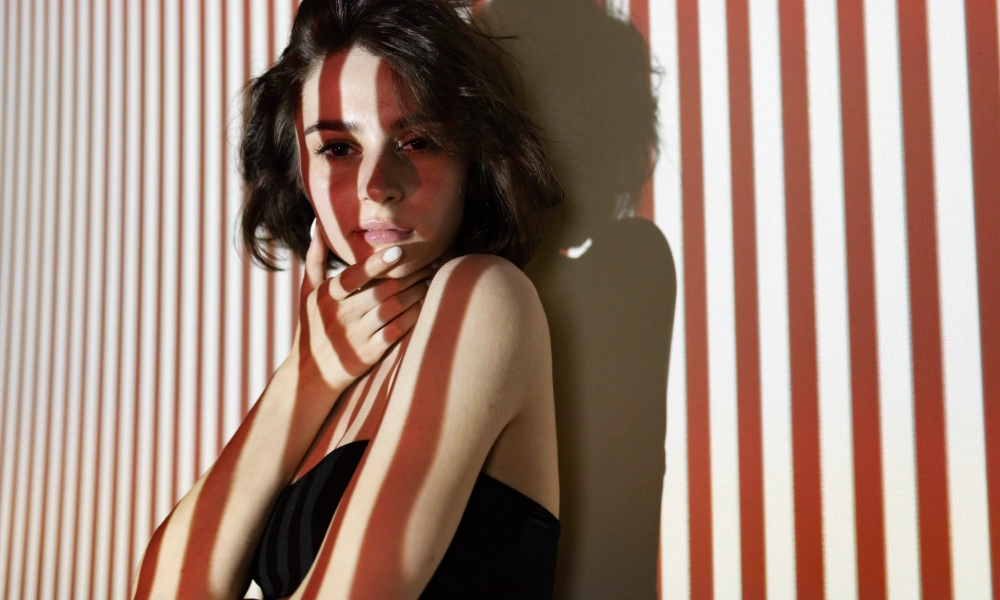
Portrait advertising photography focuses on people’s natural expression, faces, and body language to promote a product or brand. Its main goal is not personal portraits, rather than marketing and persuasion. Expert photographers utilize portrait photo retouching to turn these photos more appealing & trustworthy.
Popular types of portrait advertising photography include:
- Personal branding portrait advertising – these visuals are used to promote an individual as a brand, like a public speaker or influencer.
- Team & Workplace portrait advertising – these photos are popular to show transparency and company culture.
- Professional service portraits – aim to build client trust, like portraits of lawyers, consultants, and so on.
Corporate Photography

Corporate advertising photography creates professional images to build a company’s brand, promote its values, and market its products/services. Unlike casual office photos, corporate advertising photography is strategic, planned, and brand-focused. It goes beyond just products, telling the company’s overall story. For example, a team collaborating on a project, or others.
Automotive Photography

Automotive advertising photography is the specialized art of creating compelling images of cars, bikes, trucks, or other automobiles for marketing. These visuals are effective in showcasing features and building emotional connections with buyers. For example, a sports car captured at sunset on an open road with motion blur.
Real Estate Photography
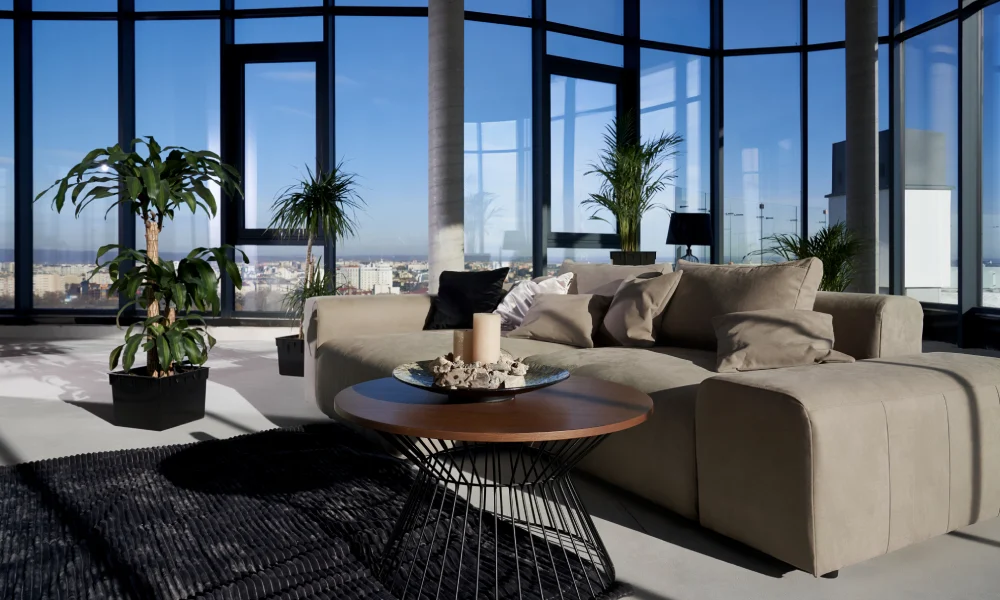
Another popular advertising photography is real estate ad photos. To capture these images professional real estate photographer focuses on properties’ (interiors, exteriors, and locations) details. Its goal is to make a property look attractive, spacious, desirable, and appealing to potential buyers or renters.
Travel Photography
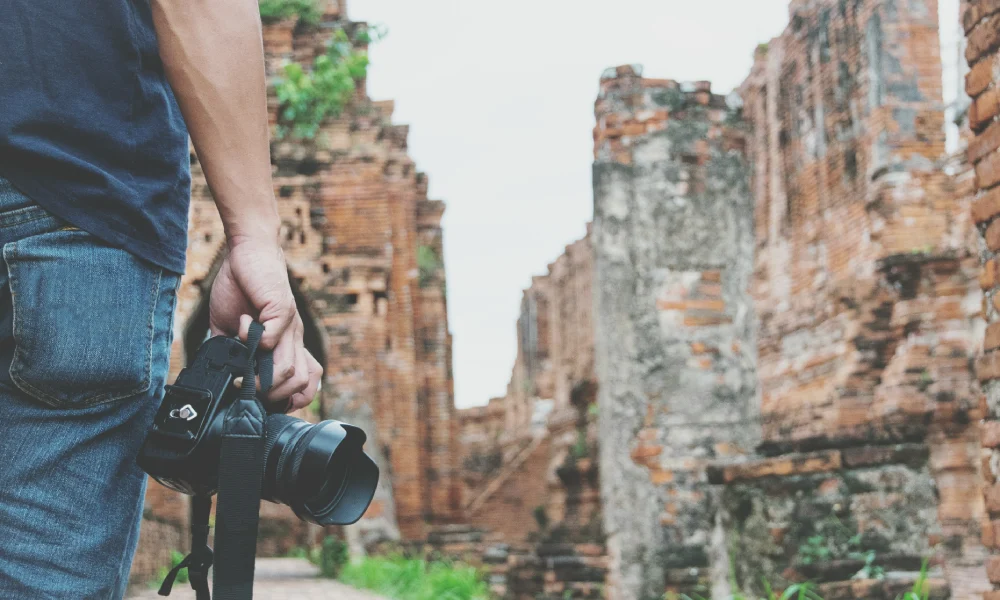
Travel advertising photography uses stunning visuals of destinations, cultures, and experiences to entice people to visit places or book travel services. It’s about selling a dream, conveying the essence, emotion, and uniqueness of a location to inspire wanderlust and action, not just documenting a trip. From capturing landscapes to creating desire through authentic storytelling.
Miniature Photography
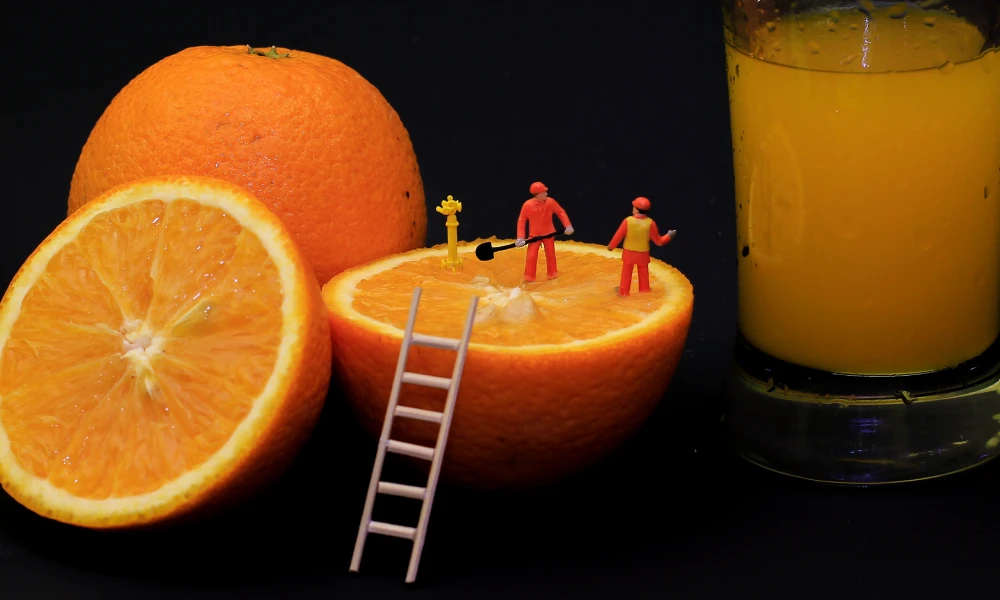
Miniature advertising photography is a creative photography technique for small objects to create visually striking ads. It’s often used to evoke imagination, humor, or conceptual storytelling. Expert miniature photographers use a macro or prime lens to take these photos. For example, Sony or Lego companies use tiny LEGO figures interacting with real products or mini worlds.
Still Life / Product Art Photography

Still life/product art advertising photography is the artistic arrangement and photography of different objects, i.e., food, products, everyday items, etc. The main goal of these photos is to tell a story, evoke a mood, and narrative to highlight features or build a brand. Unlike standard product photos, it’s about turning the product itself into art for marketing purposes.
Event Photography

Event advertising photography focuses on capturing events in a way that promotes a brand, product, or organization. It’s about telling the story of the event, mixing candid shots with planned photos, to generate engagement and provide lasting marketing assets long after the event ends.
Drone / Aerial Photography
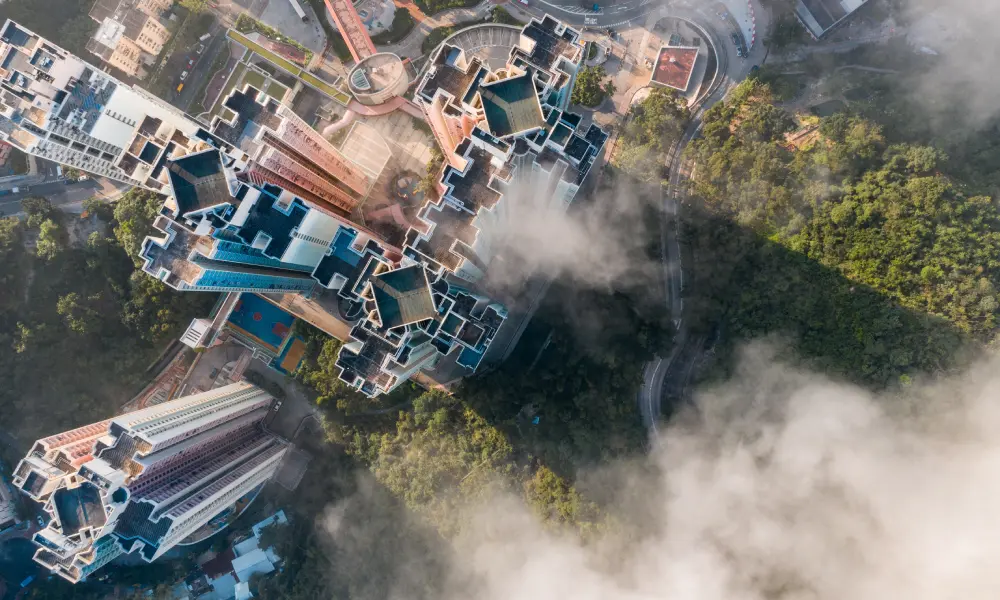
Drone/aerial advertising photography captures unique, high-angle photos and videos for marketing, showcasing properties, events, or products. From breathtaking perspectives to boosting engagement with cinematic visuals for real estate, tourism, and commercials. It offers a cost-effective, flexible way to get cinematic shots, revealing context, scale, and detail that impresses customers and drives traffic, often replacing expensive helicopters for dynamic content.
What is the Difference Between Advertising Photography and Commercial Photography?
The primary difference between advertising photography and commercial photography lies in their purpose within marketing and business. As mentioned earlier, advertising photography (like magazine spreads) showcases emotion, storytelling, and artistic flair to create desire and connect with a specific audience.
On the contrary, commercial photography (like e-commerce shots) shows a product’s features, focusing on function and realism to engage buyers.
Below, we’ve shared a comparison table for more details:
| Key Aspects | Advertising Photography | Commercial Photography |
|---|---|---|
|
Goal |
To evoke emotion, branding, and build a brand’s story or lifestyle connection |
To sell, illustrate, or show a product/service’s features clearly
|
|
Style |
Creative, stylized, using concepts, and emotional appeal
|
Functional, clean, with minimal distractions
|
|
Focus |
Lifestyle or feeling associated with the product, targeting a specific audience |
The product itself, its quality, and its benefits |
|
Usage |
Ads & campaigns
|
E-commerce, catalogs, websites |
|
Example |
Nike running shoes (like a professional runner sprinting through an urban street) |
Nike’s shoes are listed on the website or on Amazon |
In short, advertising is a subset of commercial photography that utilizes commercial techniques, but the uniqueness lies in its creative angle.
What is the use of advertising photography?
The use of advertising photography is to create persuasive, high-impact product visuals to attract buyers, showcasing benefits and creating aspirational lifestyles. It connects with the audience and converts attention into sales. Here are some of its principal uses:
Social Media
Instagram and Facebook provide a platform for brands to present their products. Social media photography generally involves natural, personable shots that are lifestyle-based, such as a cosy coffee shop shot or eating dinner with friends. Brands like Starbucks and Coca-Cola do this well, making their products part of your daily life.
Billboards
Big and bold, billboard images need to stand out from a distance. They’re images that will grab your attention immediately, like McDonald’s iconic burger shots or Nike’s swoony athlete shots. A great billboard image conveys the brand message within a split second.
Print Ads
In magazines and newspapers, ad photos are usually polished and eye-catching. You might see luxury items like watches or perfume presented against elegant settings that pair the product with the way of life you are aiming for. For brands such as Chanel or Rolex, the print ads create a world they want their customers to inhabit.
Digital Banner Ads
Online ads use photography that’s direct and clear. As these photographs will typically show just one product against a clear background, they are designed to make you pay close attention. Apple’s banner ads, for instance, emphasise the minimalistic design of their products.
Packaging
Images on packaging need to be appealing and eye-catching, as that is usually the first thing a customer will see. Food manufacturers such as Häagen-Dazs place attractive photographs on the carton of ice cream, showcasing how creamy and delicious it is.
Is Post-Production in Advertising Photography Important?
Yes, post-production is important in advertising photography to transform good shots into compelling and brand-aligned ones. Without a final retouch, you can’t launch your product effectively. Here is how:
- Corrects colors, contrast, sharpness, and overall image quality, making images pop.
- Fixing minor issues like blemishes, dust, reflections, or lens distortions.
- Maintaining consistency across campaigns, like colors, tone, and style.
- Using color grading, lighting adjustments, and special effects to convey feelings.
- Resizing, cropping, and formatting for social media, web, print, or billboards.
- Adding or removing elements, creating composites, or enhancing backgrounds.
- Emphasizing textures, details, or product features through sharpening, selective adjustments, or retouching.
If you want to add creative flair like other top-notch brands to your advertising product images or others, consider outsourcing to a professional photo editing service provider, like Masking Aid. By doing so, you not only get secure, reliable, and fast services but also high-end retouched images ready to publish or print.
Key Factors Behind Successful Advertising Photography
Some key factors behind successful advertising photography are as follows:
- Understanding the target audience: Effective ad visuals are tailored to resonate with a specific buyer persona (preferences, lifestyle, and so on). It’s ideal to research demographics to ensure the visual message is relevant and impactful.
- Expert compositions & lighting: Professional photographers use advanced lighting & composition to create visually amazing images. Key techniques they follow: highlight key product features, use contrast to create focus, and follow visual hierarchy (i.e., rule of thirds, leading lines, etc.). For example, beverage ads use backlighting to enhance freshness.
- Storytelling ability: Great advertising photos tell a brand/product story in one frame that speaks directly to the audience. For example, professional advertising photographers show the product in use, create an emotional connection, and reflect the audience’s lifestyle or aspirations.
- A clear advertising objective: A successful advertising photography starts with a defined purpose, not just aesthetics, but also the product itself. So, before shooting advertising photos, a professional plans the shoot, as it will help to build brand awareness, launch a product, or drive conversions.
- Strategic use of color & contrast: Colors have psychological effects that can evoke specific moods and draw attention. The color palette and contrast are used to align with the brand’s identity and make the product stand out.
- Professional post-production: Editing and retouching are crucial for perfecting the image, involving color correction, blemish removal, and creating hyper-realistic effects to make the product look flawless and irresistible.
Frequently Asked Questions About Advertising Photography
What does advertising photography mean?
Advertising photography means using images to promote and sell a product, service, brand, or idea through ads. For example, a coffee cup with steam on a cozy table makes people want it.
What are the key aspects of image advertising?
The key aspects of advertising visuals involve capturing buyers' attention, evoking emotion, and building long-term brand identity and recognition.
How much does professional advertising photography cost?
Professional advertising photography costs $100 to $500+ hourly, depending on the photographer’s experience, shoot complexity, and post-production needs.
Conclusion
Advertising photography is a powerful photography genre to evoke emotion through portraying a product story & reinforce brand identity.
Just look at the fashion world, where images are more than a record of attire or accessories. They depict a lifestyle, a story that resonates with buyers. Harness the power of advertising photography today & help brands to establish its unique identity to consumers!
